White sheets can lose their crisp appearance even when they look clean. Body oils, sweat, skincare products, hard-water minerals, and detergent residue slowly settle into the fibers. Warm bedrooms make the problem worse. So does storing sheets before they are completely dry.
If you are wondering how to keep white sheets from turning yellow, begin with the fabric itself. Cotton, linen, and microfiber may need different washing temperatures. Read the care label before choosing a stronger cycle. Carolyn Forté, Executive Director of the Good Housekeeping Institute’s Home Care & Cleaning Lab, says, “The key to keeping whites white is to wash them separately from colors.” That simple rule prevents dye transfer and gives whitening products better room to work.
Wash white sheets separately. Use the warmest safe water. Measure detergent carefully, because excess soap can trap oils instead of removing them. Add oxygen bleach when the label allows it, especially after sweaty nights. Chlorine bleach can weaken fibers and sometimes create deeper yellowing. Avoid it unless the care instructions clearly approve it.
Dry sheets fully before folding them. Sunlight may brighten cotton naturally, but intense exposure can damage delicate fabrics. Check for yellow patches before putting the sheets away. If stains remain, repeat a gentle treatment rather than using harsher chemicals immediately.
Perfect whiteness is not always realistic. I once blamed the detergent, then noticed the yellowing began where moisturizer touched the pillowcase. Small habits matter more than dramatic fixes. This guide will examine washing routines, water quality, product choices, drying methods, and storage practices that help white sheets stay fresh longer.
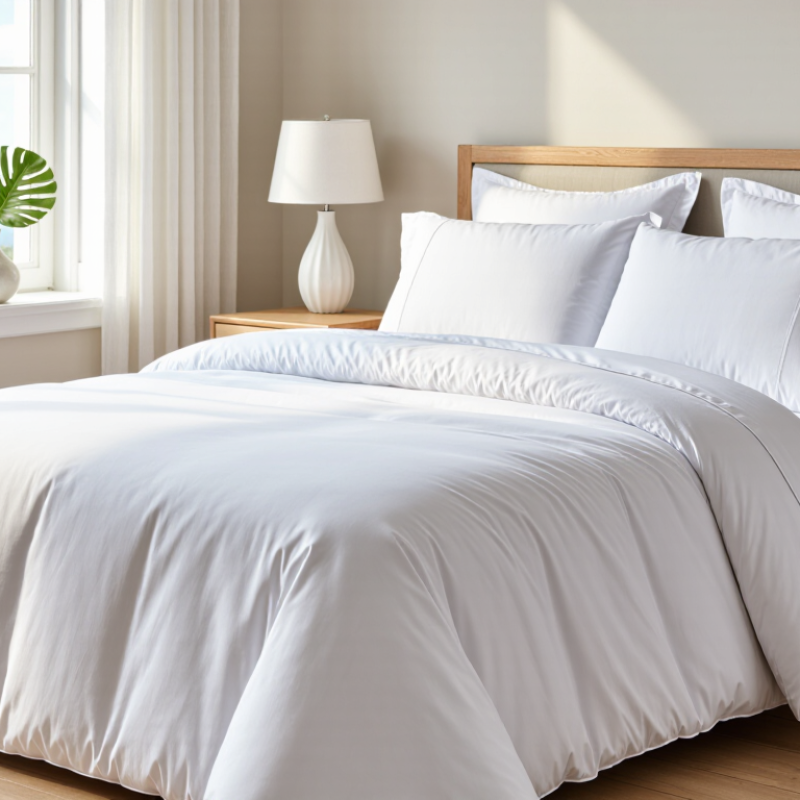
White sheets rarely turn yellow because of age alone. Body oils, sweat salts, skin products, and detergent residue slowly collect inside the fibers. Oxygen then reacts with these materials, creating a dull yellow cast. Hard water can make the problem worse by leaving mineral deposits behind.
Washing habits matter. Sleep Foundation survey data reports that 58% of people wash their sheets weekly, while 31% wait two weeks. Longer intervals allow more oil and moisture to oxidize. Not always obvious. In my experience, pillowcases often yellow first because they touch hair, skin, and facial products every night.
Use the warmest water allowed on the care label. Choose a measured amount of detergent, since excess soap can trap residue. An oxygen-based whitener may help, but test delicate fabric first. Chlorine bleach can weaken cotton fibers and sometimes deepen yellowing after repeated use. Never mix bleach with acids or ammonia.
Rinse thoroughly, then dry sheets completely before folding. Damp storage encourages odor and discoloration. Moderate sunlight can brighten fabric, although intense heat may damage fibers over time. The U.S. Environmental Protection Agency recommends following product labels and avoiding unnecessary chemical overuse. I still miss a wash occasionally. That is a useful reminder: prevention depends more on routine than on aggressive whitening.
White sheets often turn yellow before the wash even begins. Body oils, lotion, sweat, and damp storage can settle deep into the fibers. I learned this after pulling a supposedly clean sheet from a crowded linen closet. It smelled fine, but the fabric had developed pale, uneven patches.
Preparation starts with checking the care label and sorting sheets by color and fabric weight. Shake each sheet outdoors or over a clean floor to remove dust and loose skin flakes. Treat yellowed areas before washing, especially around the pillow edge and center panel.
Apply a small amount of liquid laundry detergent to the marks, then gently work it in with a soft brush. Avoid hard scrubbing, which can weaken cotton fibers. Let the treatment sit for about ten minutes, not for hours.
Do not overload the washer. Sheets need room to move through the water, or residue may remain trapped in the folds. Wash them soon after removing them from the bed. If they must wait, keep them loosely folded in a dry, ventilated basket.
Never leave damp sheets in a closed hamper. That mistake creates a sour smell quickly. I sometimes use warm water for white cotton, but the label should guide the final choice. Very hot water may shrink fabric or set certain stains. Check the sheet carefully before drying, because heat can make missed yellow marks harder to remove.
White sheets usually turn yellow because body oils, sweat, and detergent residue remain in the fibers. Washing them less often than needed makes the problem worse. I check pillowcases and the center of the sheet first; these areas often show yellowing earliest.
Use the warmest water allowed by the care label. The U.S. Department of Energy reports that heating water can use about 90% of a washer’s energy. Cold washing saves energy, but warm water may remove oily residue more effectively. Add the correct detergent amount, not an extra scoop. Too much detergent can leave a dull film. Leave space in the drum, too. Overloading prevents water from moving through the fabric.
For stubborn yellow marks, soak cotton sheets in oxygen-based bleach before washing. Follow the product instructions and rinse thoroughly. Avoid frequent chlorine bleach use; it can weaken fibers and sometimes intensify yellowing when residue remains. The AATCC TM61 laundering method uses accelerated washing to evaluate color durability, reminding us that repeated cycles gradually stress textiles. That matters at home. I once blamed the detergent, but damp storage was the real issue. Dry sheets completely, preferably in sunlight when practical, then store them in a breathable space. Do not seal slightly damp bedding. It may look clean, but hidden moisture can create odors and discoloration.
Yellowed sheets often need gentler care, not stronger chemicals. Check the care label before treating them. Cotton usually tolerates warm washing, while delicate blends may shrink or weaken. Separate white sheets from colored laundry, then wash away sweat, skin oils, and lotion residue.
Use cool water first. For washable cotton, soak the sheets in oxygen-based whitening powder according to its instructions. Choose warm water only if the label permits it. This treatment can brighten fabric without the harshness of chlorine bleach.
Never mix bleach with vinegar, ammonia, or other cleaners. Dangerous fumes can form. Wear gloves and keep the room ventilated. Test the solution on a hidden hem before soaking the whole sheet.
After soaking, wash with a mild detergent and select an extra-rinse cycle. Drying in gentle sunlight may help reduce lingering dullness, but intense, prolonged sun can weaken fibers. Avoid overloading the washer; crowded sheets cannot rinse properly. If yellowing remains, repeat the treatment once after the fabric dries. More treatment is not always better. I once assumed a stronger soak would solve everything, but the fabric felt rough afterward. That mistake changed my routine. Persistent yellowing may come from fiber aging, hard water, or product buildup, so expectations should remain realistic.
How to Keep White Sheets from Turning Yellow?
Drying and storing sheets correctly can prevent many yellow stains before they appear. The U.S. Environmental Protection Agency’s guide on mold and moisture recommends drying wet materials within 24 to 48 hours. That window matters after washing. Damp fabric left in a basket can develop a stale smell and uneven discoloration.
Remove sheets from the washer promptly. Shake them before drying, because twisted corners trap moisture. Use a fully dry cycle, but avoid excessive heat, which can weaken cotton fibers over time. A clothesline can help, especially in bright, dry weather. However, direct sunlight may fade delicate fabric or create uneven color. I once left white sheets outside all afternoon. They looked clean, but the fabric felt noticeably rougher.
Before storage, check the seams, hems, and elastic edges. They often stay damp longer. Fold sheets only when completely dry. Store them in a cool, ventilated cabinet, away from bathroom steam and wooden surfaces that may transfer oils. Avoid tightly packed plastic bags; trapped humidity has nowhere to escape. The U.S. Centers for Disease Control and Prevention also emphasizes moisture control as a key step in limiting mold growth. A breathable cotton cover is usually safer for long storage. Still, I would inspect stored sheets every few months. Perfect prevention is unrealistic. Small habits make the difference.
| Care Stage | Recommended Condition or Action | Why It Helps Prevent Yellowing | What to Avoid |
|---|---|---|---|
| Check the Care Label | Follow the sheet manufacturer's washing and drying instructions before selecting water temperature or dryer settings. | Different fibers and finishes can react differently to heat, detergents, and bleach. | Do not use a hotter setting than the care label allows. |
| Remove Stains Before Drying | Inspect sheets after washing. Treat visible body-oil, sweat, lotion, or food stains before using heat. | Heat can make some organic stains more difficult to remove, allowing discoloration to become more noticeable over time. | Do not place visibly stained sheets in a hot dryer. |
| Rinse Thoroughly | Use the appropriate amount of detergent and select an extra-rinse option when residue is a concern. | Detergent, fabric softener, and mineral residue can remain in the fibers and contribute to dullness or discoloration. | Avoid routinely overdosing detergent or fabric softener. |
| Air-Dry in Bright, Clean Air | Hang sheets fully spread in a clean, well-ventilated area. Indirect sunlight is suitable for regular drying. | Good airflow removes moisture efficiently and reduces the damp conditions that encourage musty odors and discoloration. | Do not leave damp sheets bunched together or on a dirty surface. |
| Use a Dryer Correctly | Choose low or medium heat when permitted, avoid overloading the drum, and remove sheets promptly when dry. | Moderate heat and free movement help sheets dry evenly while limiting unnecessary heat exposure and wrinkling. | Avoid high heat, overloading, and leaving fully dry sheets in the drum for long periods. |
| Confirm Complete Dryness | Check thick hems, elastic edges, and folded sections before storage. Every area should feel dry and cool. | Hidden moisture can create stale odors and support mildew-related discoloration during storage. | Never store sheets that feel damp, cool, or clammy. |
| Cool Before Folding | Allow sheets to cool to room temperature after machine drying, then fold them loosely and evenly. | Cooling reduces trapped warmth and moisture, while loose folding allows better air circulation. | Do not pack warm sheets tightly into a cupboard or container. |
| Choose a Dry Storage Location | Store sheets in a clean, dry, well-ventilated cupboard away from bathrooms, kitchens, direct heat, and damp exterior walls. | Stable, low-moisture conditions reduce the risk of mildew, odors, and gradual discoloration. | Avoid humid rooms, leaking areas, and enclosed spaces with poor ventilation. |
| Use Breathable Storage | Place folded sheets in a breathable fabric bag or on an open shelf with space around the stack. | Breathable storage allows residual moisture to escape and helps prevent stale odors. | Avoid sealing sheets in airtight plastic while any moisture remains. |
| Rotate Stored Sheets | Use and refold stored sets periodically instead of leaving the same stack untouched for very long periods. | Regular rotation promotes inspection and reduces prolonged compression in one position. | Do not ignore yellow spots, musty smells, or signs of dampness. |
| Keep Storage Areas Clean | Clean and dry shelves before placing freshly laundered sheets inside. Keep sheets away from dusty cardboard and rusty metal. | Dust, rust, and residue from storage surfaces can transfer to white fabric and appear as discoloration. | Do not store clean sheets directly against dirty or damp surfaces. |
Body oils, sweat salts, skin products, and detergent residue collect inside the fibers. Oxygen slowly reacts with them, creating a dull yellow cast. Hard water may add mineral deposits. Age alone is rarely the main cause.
Pillowcases often yellow first because they touch hair, skin, and facial products nightly. Check the sheet center, hems, and elastic edges too. Look closely.
Wash them about weekly when possible. Longer intervals allow oils and moisture to oxidize inside the fabric. A missed wash happens. Routine matters more than aggressive whitening.
Use the warmest temperature allowed by the care label. Warm water can remove oily residue more effectively. Cold cycles save energy, but they may clean heavy oil less completely.
Yes. Extra detergent can leave a dull film that traps residue in the fibers. Measure the recommended amount and leave space in the drum. Overloading restricts water movement.
Soak suitable cotton sheets with an oxygen-based whitener before washing. Follow the label and test delicate fabric on a hidden area. Rinse thoroughly. Results may vary.
Frequent use can weaken cotton fibers and sometimes deepen yellowing. Use it cautiously and never combine it with other cleaning chemicals. Care labels deserve attention.
Remove them from the washer promptly and shake out twisted corners. Dry every seam, hem, and elastic edge completely. Store them in a cool, ventilated cabinet. Avoid tight plastic bags and bathroom steam. Moderate sunlight may brighten fabric, but intense heat can roughen or weaken it. Inspect stored sheets every few months. Perfect prevention is unrealistic.
White sheets can turn yellow over time because body oils, sweat, skincare products, detergent residue, and moisture build up in the fabric. Learning how to keep white sheets from turning yellow begins with proper preparation: check care labels, separate whites from colored laundry, and treat visible stains before washing. Avoid overcrowding the machine so water and detergent can circulate freely, and use the warmest safe water setting for the fabric. A measured amount of gentle detergent helps prevent residue that can dull the sheets.
For sheets that are already yellowed, soak them in water with a fabric-safe oxygen-based whitener, following the product instructions and avoiding harsh mixtures. Rinse thoroughly to remove all treatment residue. Dry sheets completely in fresh air or indirect sunlight when possible, since trapped moisture can encourage discoloration and odors. Before storing, make sure they are fully dry, fold them loosely, and keep them in a cool, dry, well-ventilated space. Rotate stored bedding regularly to maintain freshness and brightness.

Texdura Textile