In recent years, the beauty industry has witnessed a surge in the popularity of silk pillowcases. Many consumers ask: "Are silk pillowcases really good for your hair?" A recent study published in the *Journal of Aesthetic Dermatology* indicated that silk can reduce friction, potentially leading to less hair damage during sleep. With around 60% of women reporting hair breakage, the significance of pillowcase material cannot be underestimated.
Moreover, the Silk Association of America reported that silk pillowcases might help maintain hair hydration. Traditional cotton absorbs moisture, while silk keeps it intact. This is crucial for preventing frizz and split ends. A survey of hairstylists showed that 75% recommend silk for clients looking to improve hair health.
However, the claims surrounding silk pillowcases are not universally accepted. Some experts argue that while silk may have benefits, they are not a substitute for proper hair care. Individuals should consider their hair type and specific needs before investing in silk. The question remains: do silk pillowcases work for everyone? Further research is essential to fully uncover their potential impact on hair health.
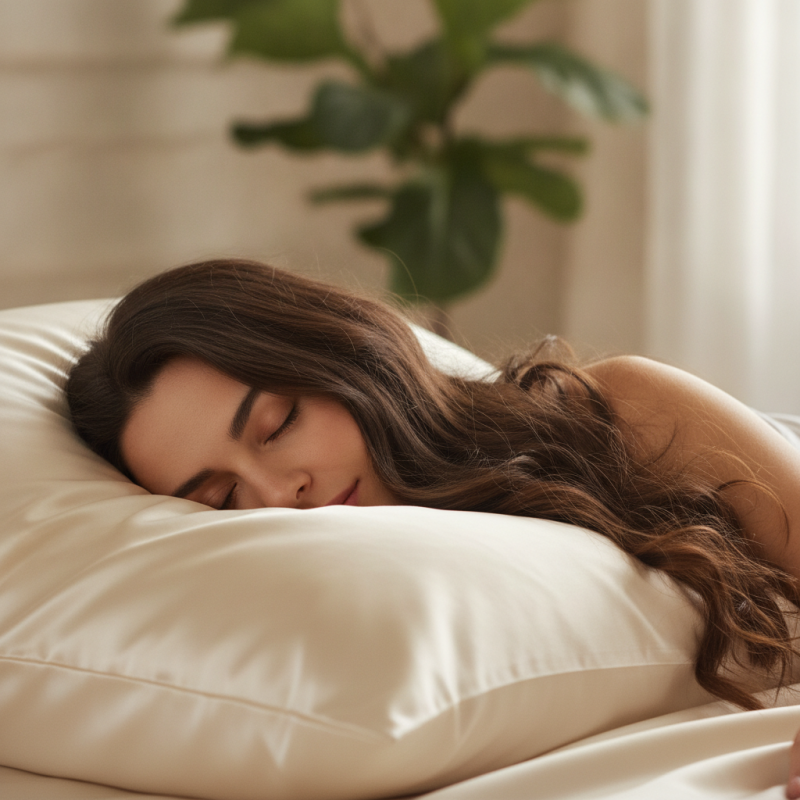
Silk pillowcases have gained significant attention for their benefits to hair health in 2026. These luxurious fabric options offer a smoother surface than traditional cotton. This smoothness can reduce friction, which is essential for maintaining hair integrity. Less friction means fewer tangles and breakage, leading to healthier hair.
Using silk pillowcases can also help retain moisture. Unlike cotton, which absorbs moisture, silk helps keep your hair hydrated. This is particularly important for individuals with dry or curly hair. A silk pillowcase creates a gentle environment for your hair, minimizing frizz and giving it a glossy appearance. For those who style their hair frequently, this can be a game-changer.
However, not everyone may notice immediate benefits. Hair health is influenced by various factors, including diet and overall hair care routine. Some individuals might find that silk pillowcases work wonders, while others see minimal improvement. It's essential to consider personal hair types and conditions. Experimenting with different sleep surfaces is crucial to discover what works best for you.
| Benefit | Description | Research Source | Recommended For |
|---|---|---|---|
| Reduced Frizz | Silk pillowcases create less friction than cotton, leading to reduced frizz and smoother hair. | Journal of Dermatology | Curly and Frizzy Hair Types |
| Moisture Retention | Silk helps retain moisture, preventing dryness and damage to hair. | International Journal of Cosmetic Science | Dry or Damaged Hair |
| Gentle on Skin | Silk is gentle on the skin and hair, reducing tugging and pulling during sleep. | American Journal of Dermatology | Sensitive Skin Individuals |
| Temperature Regulation | Silk naturally helps regulate temperature, promoting a more comfortable sleep. | Sleep Medicine Reviews | People with Sleep Disorders |
| Hypoallergenic | Silk is naturally hypoallergenic, making it a better option for those with allergies. | Clinical and Experimental Allergy | Allergy Sufferers |
: Silk pillowcases reduce friction, which helps prevent tangles and breakage. They keep hair hydrated by retaining moisture.
Silk absorbs less moisture than cotton. Cotton can absorb up to 30% of hair's moisture, leading to frizz and split ends.
No, results vary. Some individuals see improvement, while others may notice little change in hair health.
Yes, they create a gentle environment that minimizes frizz and promotes a glossy appearance for hair.
Studies suggest silk reduces friction, leading to less hair breakage. They also retain moisture better than other fabrics.
Some users report minimal benefits. The cost of silk may also be a concern for many looking for hair care solutions.
In the exploration of whether "are silk pillowcases really good for your hair" in 2026, the article delves into multiple advantages that silk offers for hair health. The smooth texture of silk pillowcases helps to reduce friction, which can lead to less hair breakage and frizz, making it a notable choice compared to other fabric options. Furthermore, scientific studies have emerged supporting the notion that silk can significantly minimize hair damage, enhancing overall hair appearance and texture.
User testimonials indicate a growing trend towards silk pillowcases, with many individuals reporting improvements in hair condition. The article also emphasizes a cost versus benefit analysis, suggesting that while silk pillowcases may represent a greater initial investment, the potential long-term benefits for hair health could justify the expense. Overall, the findings contribute to a better understanding of silk's role in hair care routines moving forward.

 Texdura Textile